


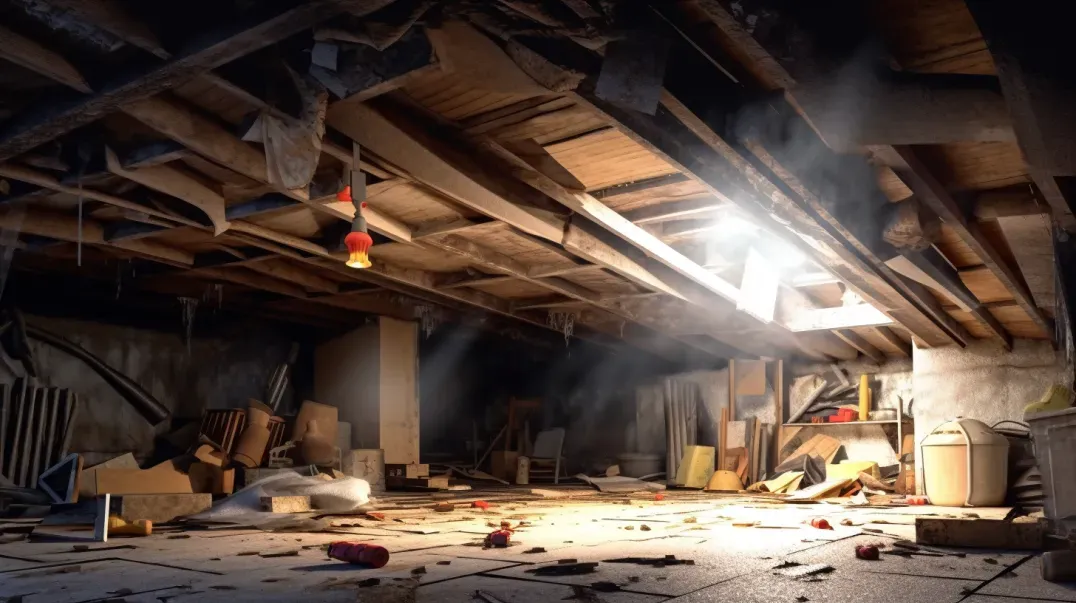


Down here, a crawl space fights clay soil and salt-air humidity year-round. These are the tells we see under Lowcountry homes every week — if a few sound familiar, it’s time to look below.
When July humidity makes the living room feel damp even with the AC running, moisture is usually rising from an open crawl space below.
Boards that bow up at the edges or feel bouncy are soaking up crawl space moisture through the subfloor — common in older Charleston and West Ashley homes.
A damp crawl space makes your AC work harder to pull humidity out of the house. Encapsulation often drops the summer bill noticeably.
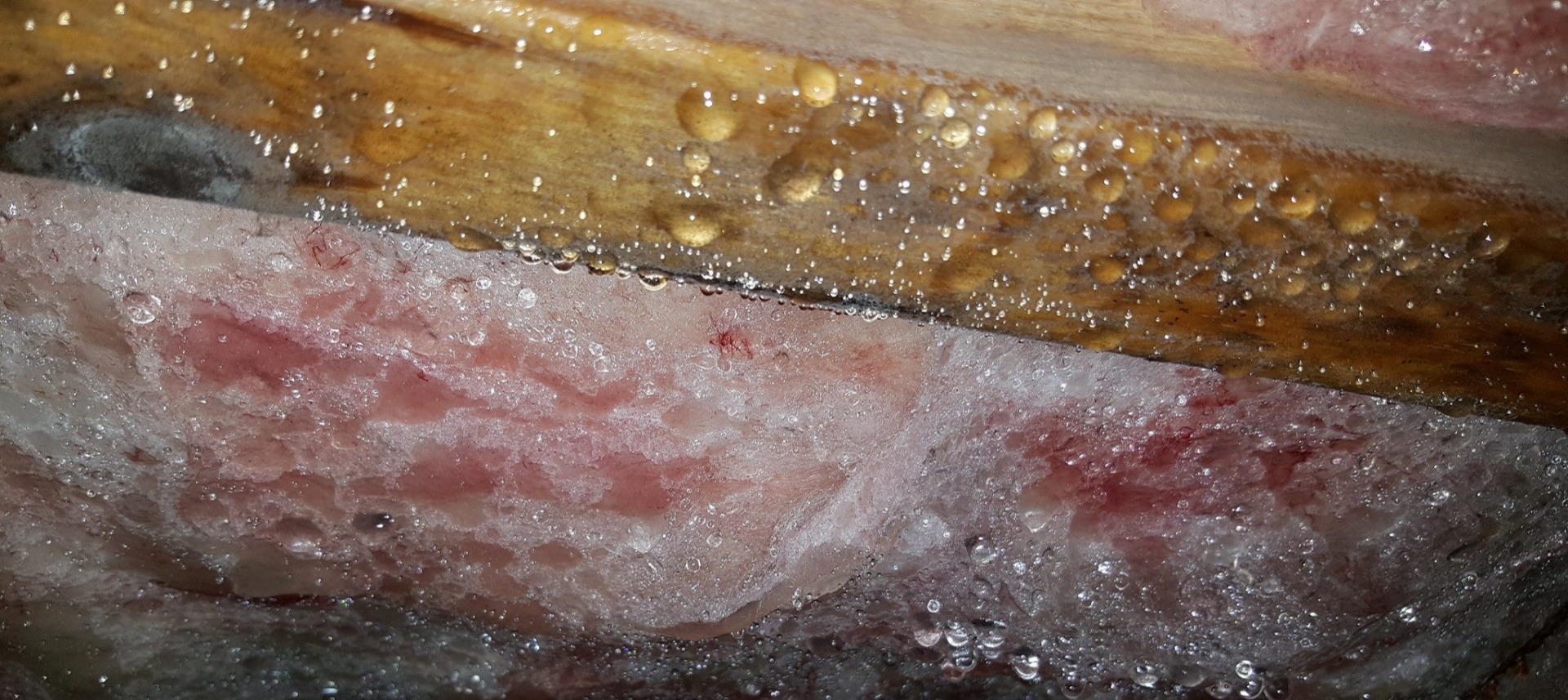
Beads of water on the metal ducts or wet, sagging insulation mean warm outside air is hitting cold surfaces in an unsealed space.
That “old house” smell riding the first blast of air is crawl space air pulled up through the floors — you’re breathing what’s under the house.
Orange staining on nail plates, straps, and ductwork is a moisture flag — the space stays wet long enough to corrode metal.
If the ground under your house is dark and damp days after a Lowcountry storm, that water is evaporating straight up into your floors.
Roaches, water bugs, and critters love a humid, open crawl space. A sealed, dry space is far less welcoming.
Charleston sits on expansive clay soil that holds water, wrapped in coastal humidity that barely lets up. A vented crawl space in this climate is basically an open invitation for moist air to move in, condense on your framing, and rise into the house.
Encapsulation seals the space off — a heavy vapor barrier, sealed vents, and dehumidification — so ground moisture and salt air stay out, and your floors, air, and energy bill stay in check.
Recognize a few of these under your own house?
Get Your Free InspectionCOULD YOUR HOME BE AT RISK AFTER A DRY SPELL?
Weeks without meaningful rain cause the clay soil beneath many Lowcountry homes to shrink and pull away from your foundation. When heavy summer rains or tropical storms arrive, that same soil can shift rapidly—leading to settling, moisture intrusion, crawlspace issues, and foundation movement.
Take our free Lowcountry Foundation & Crawlspace Risk Assessment to see how current conditions could affect your home and whether it's time for a professional inspection.
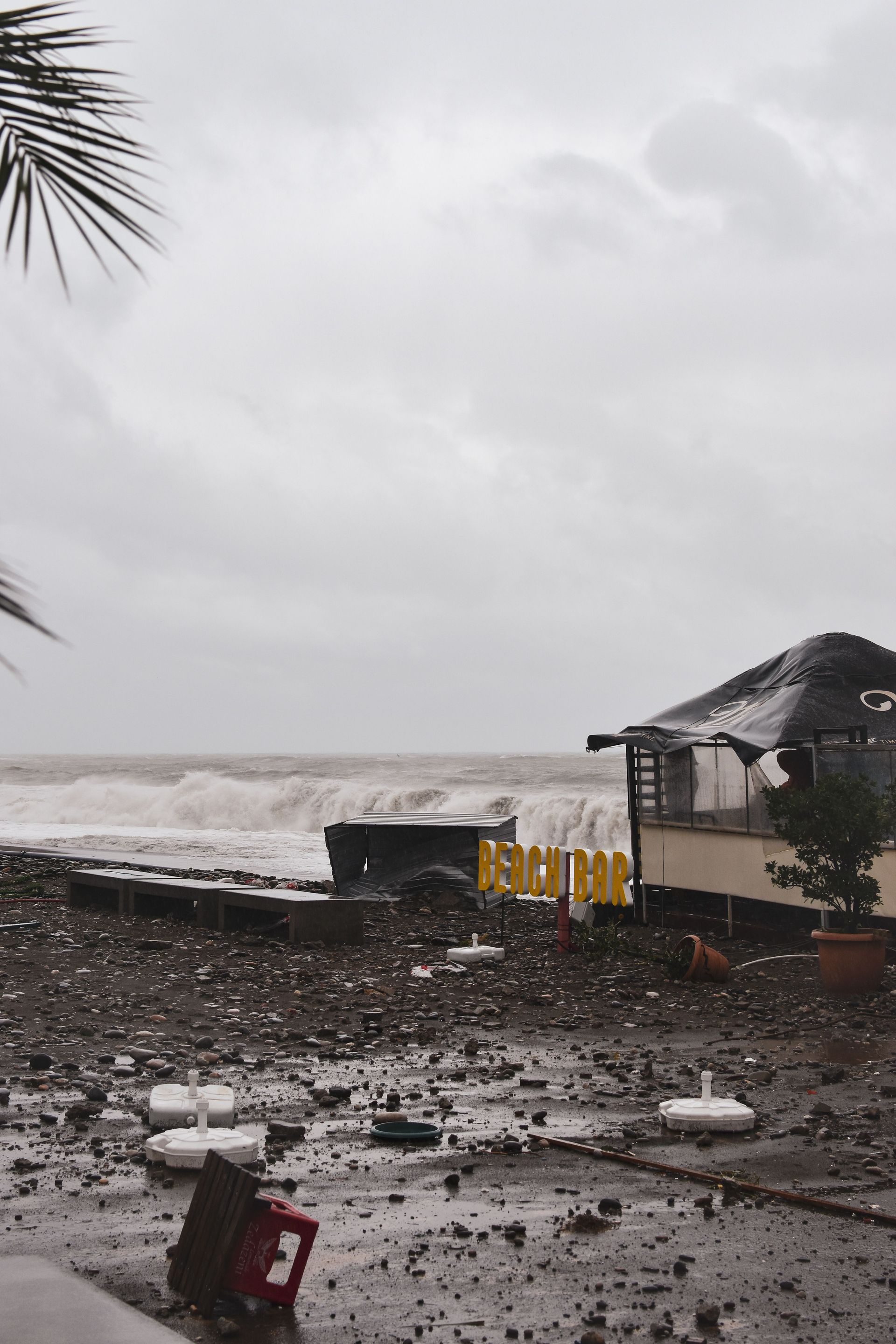


Hurricane Season Is Here: Is Your Crawlspace Ready?
Charleston homes face unique flood risk during hurricane season — and your crawlspace is usually the first place storm damage starts. Get our free Lowcountry hurricane prep guide, or schedule a free inspection before the next storm rolls in.